What is the GFM?

From grassroots action on farms to evidence-based decision making in policy and finance, the GFM unlocks change at every level.

It is designed to transform the farming system to an industry that delivers lasting benefits for nature, climate and people.

Image: GFM team; UK trial (2023)

Explore

The challenge

Farming contributes to a wide range of global challenges. It can also be the solution.

However, there are barriers that prevent farmers becoming drivers of positive change. These include:

  • Knowledge and understanding
  • Measurement and monitoring
  • Systemic and structural

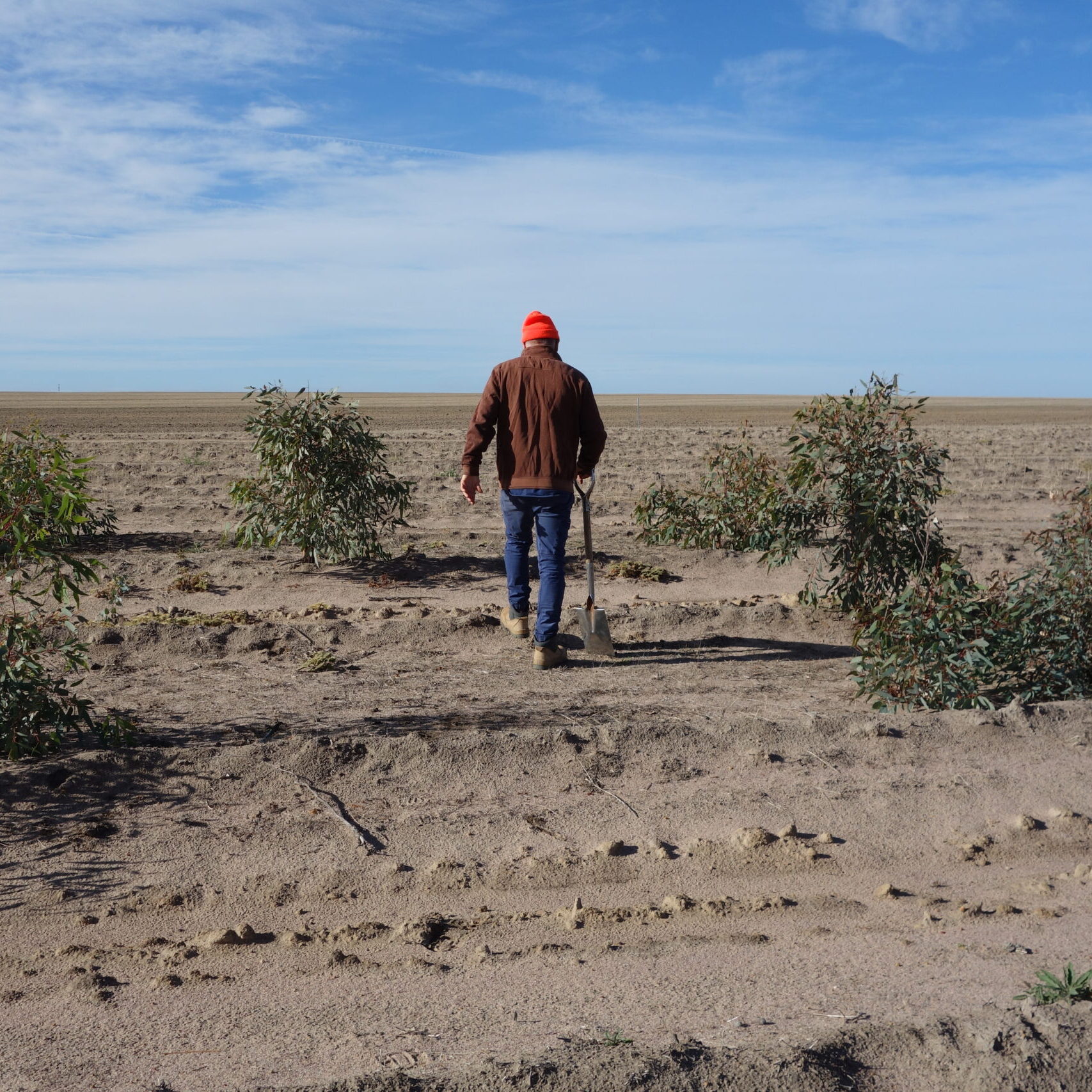
Image: Western Australian trial farm (2024)

Knowledge and understanding

Many farmers and farming stakeholders want to be more sustainable, but a lack of clear, shared knowledge often gets in the way. Conflicting advice, complexity and siloed definitions cause confusion and overlook the interconnectedness of the farming system. This can mean positive impacts in one area (like carbon) mask negative consequences elsewhere (like biodiversity and soil health). Without a common, holistic understanding of farm-level sustainability, aligned decision-making remains out of reach.

Measurement and Monitoring
You can’t improve what you can’t measure. Yet many farmers and supply chain actors struggle with tools that are narrow in scope, burdensome or not tailored to farm context. Without consistent, meaningful data, it’s hard to track progress, prove impact or access funding. This gap limits the ability of all stakeholders to plan, support and scale what works.

Systemic and Structural
From the weather and soil type, to politics and resource availability, farmers are influenced by forces beyond the farm gate. Markets, policies and financial pressures often reward short-term gains over long-term sustainability. Until these systems evolve, farmers—and those who buy from, advise or regulate them—will continue to face barriers that slow progress and constrain innovation.

Show more

The solution

The GFM tackles key barriers to sustainable farming by creating a shared language, facilitating practical ways to measure outcomes and establishing a framework that aligns the farming system.

It has the power to connect farmers, supply chains and policymakers through shared sustainability goals and consistent, whole-farm data. By focusing on outcomes that matter to everyone, the GFM supports more joined-up action and drives long-term, system-wide change.

Image: UK trial farmer (2023)

Knowledge and Understanding
The GFM provides a shared language for sustainability—clear, consistent and grounded in farming realities. It frames sustainability as a whole-farm, whole-system concept, helping farmers and stakeholders understand how environmental, social and economic outcomes interconnect. By making the system visible, the GFM supports learning and alignment across the food system.

Measurement and Monitoring
Developed with and for farmers, the GFM is designed to be embedded within existing data collection tools to enable a practical, outcomes-based approach to assessment. The framework is adaptable, facilitating consistent measurement that’s suited to local contexts. By focusing on shared outcomes rather than prescriptive actions, it creates data that is useful for farmers, comparable across farms and actionable for supply chains, investors and policymakers.

Systemic and Structural
The GFM helps align stakeholders by anchoring decisions in shared outcomes that matter to all—from farmers and advisors to government and finance. It bridges farm practice with policy and market expectations, enabling better reporting, guiding investment and supporting systems that reward long-term sustainability. In doing so, it lays the groundwork for collaborative, structural change.

Show more

Using the GFM

The GFM can be used directly for learning, discussion and evaluating existing tools and frameworks. It supports more holistic, outcomes-based approaches by identifying gaps and providing a common structure for alignment.

It can also be applied to support farm data collection and assessment. This requires additional metrics, methods and data interpretation.

Together, these approaches drive systems change.
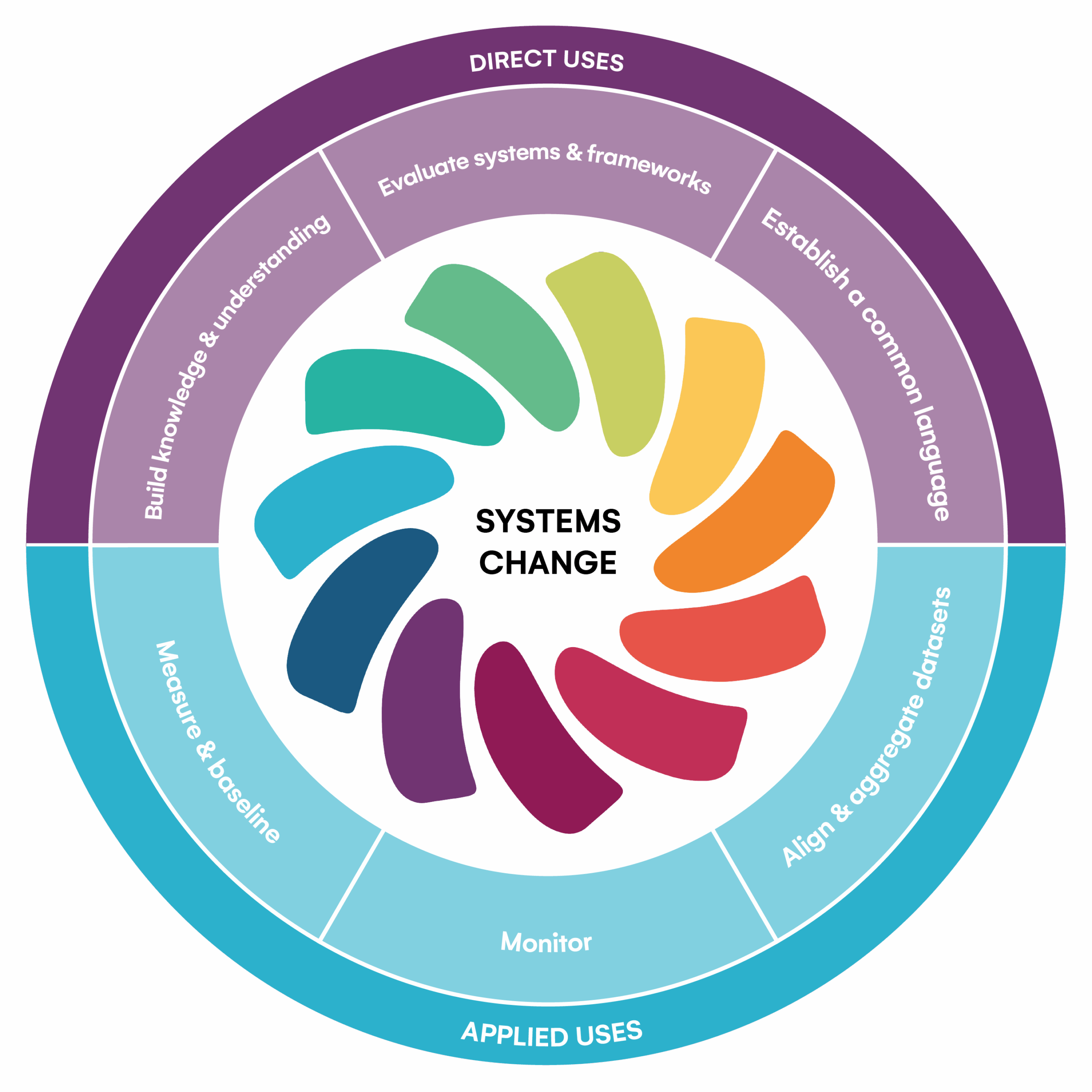
Examples of direct uses:

  • Education: Builds shared understanding of whole-farm sustainability and supports training, teaching and communication across supply chains, policymakers and the public.
  • Mapping: review existing initiatives, datasets, tools and policies against a shared structure to reveal gaps, overlaps and coverage.
  • Alignment: Aligns organisations, tools and stakeholders around a common understanding of farm sustainability while checking for holistic versus narrow approaches.

Examples of applied uses:

  • Data collection: Guides what data can be collected, with users choosing their own indicators, metrics and methods.
  • Assessment: Supports the design of whole-farm sustainability assessments, with users defining their own scoring and interpretation.
  • Alignment and interoperability: Provides a shared structure for outcomes, categories, definitions and indicators to improve consistency and reduce duplication across datasets.
Show more

Key features

Global Farm Metric

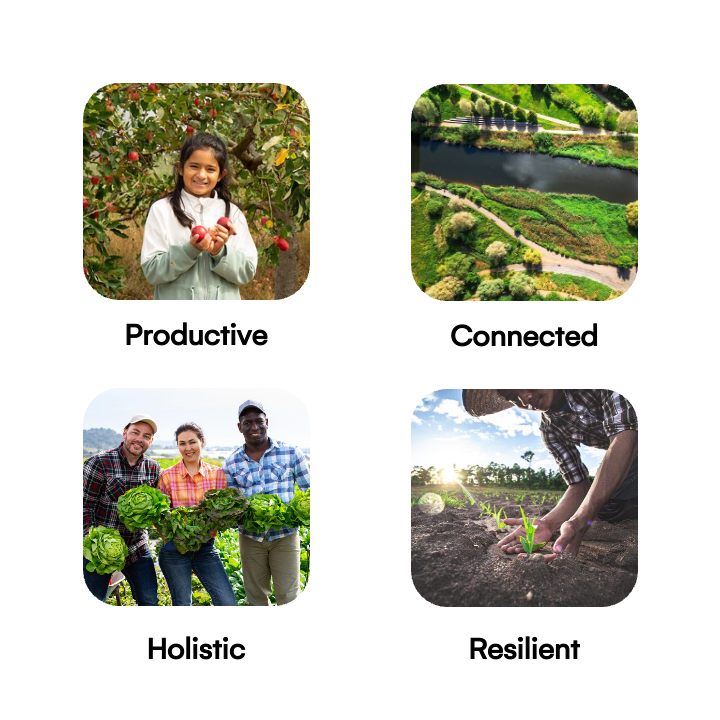
Holistic

Covers social, economic and environmental dimensions of the farm, recognising synergies and multi-stakeholder perspectives.

Aligned

Can be embedded within assessments, tools and frameworks, creating a common language to drive consistency and collaboration

Practical

Can underpin primary data collection that is useful and relevant at farm-level

Outcomes-based

Identifies shared goals across the farming industry and the indicators to monitor progress towards them

Inclusive

Inclusive of and applicable to all farming systems and landscapes

Evidence-based and evolving

Developed from farm trials and scientific research

Drives change

Enables collective action for nature, climate and people

The Global Farm Metric is licensed under a Creative Commons Attribution 4.0 International License (CC BY 4.0), unless otherwise stated. This means you are free to share and adapt our materials, provided you give appropriate credit and indicate if changes were made.